The Hidden Dangers Of Leaving A Damaged Tree Standing In Cairns
A damaged or unstable tree can seem harmless at first glance, especially if it is still standing or showing only minor signs of distress. Yet in a tropical environment known for heavy rainfall, strong winds and fast-changing weather conditions, even a small weakness can quickly turn into a major hazard. Many homeowners underestimate how rapidly a tree can deteriorate once its structure has been compromised, and this often leads to problems that are far more costly and dangerous than early intervention would have been.
Understanding what can go wrong, why these issues develop and how a qualified tree removalist in Cairns can evaluate the risks helps you make informed decisions about your property. This guide explores the hidden dangers of leaving a damaged tree standing and why prompt action is essential for safety, prevention and long-term property protection.
When a Storm-Damaged Tree Turns Unpredictable and Why Removal Matters
Severe weather can create structural weaknesses that are not always obvious from the outside. High winds may twist the trunk, heavy rain can soften the soil and falling branches can tear important load-bearing sections. Even if the tree remains upright after a storm, the hidden damage may make it unstable, increasing the likelihood of sudden failure later on.
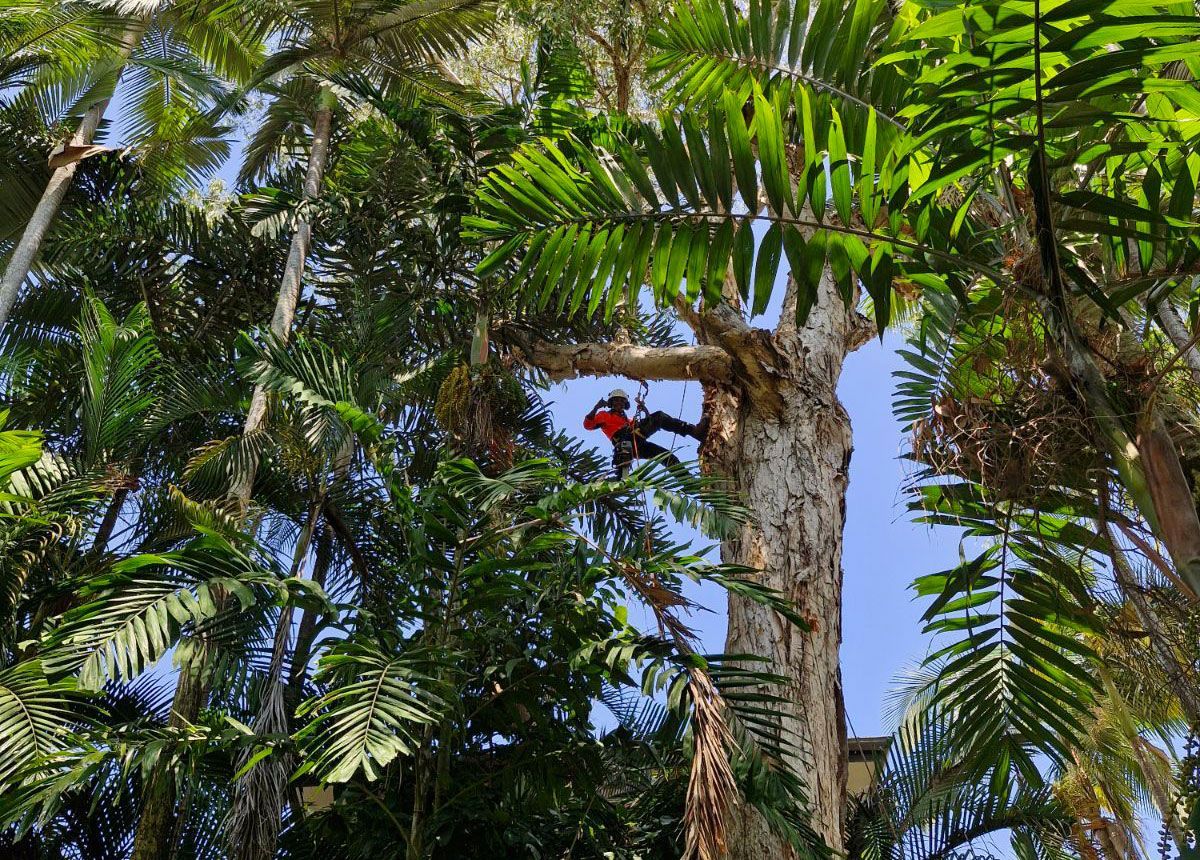
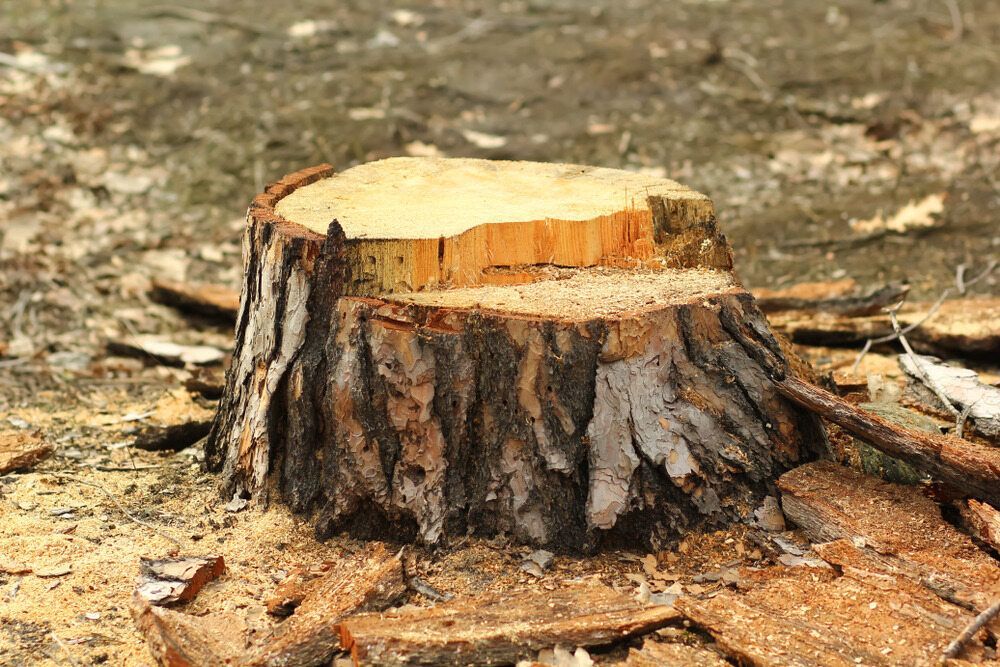
A professional specialising in tree removal in Cairns assesses the history of the damage, looks for compromised support points and determines whether the tree can be saved or if removal is the safer option. Acting early helps prevent unexpected collapse, which can threaten nearby homes, vehicles or pathways.
Warning signs that require urgent attention include:
- Large cracks running vertically along the trunk
- Branches that are partially torn or hanging
- Soil lifting or shifting around the base
- Sudden leaning that appeared after heavy weather
Why Root Damage Is One of the Most Overlooked Hazards on Residential Properties
While branches and trunks are easy to spot, root systems often suffer unseen damage that puts the entire tree at risk. Strong winds, soil erosion, excavation work and fungal infections can weaken the underground anchor that keeps a tree stable. When roots are compromised, the tree may appear healthy above ground yet be on the verge of falling.
Tree removal professionals are trained to identify subtle indicators such as soil displacement, weakened root plates and changes in the way the tree is positioned. Once root structures are damaged, they rarely recover, making the tree unpredictable and unsafe. This is why damaged trees with compromised roots are among the most urgent cases requiring professional assessment.
Hanging, Splitting or Dead Branches: Small Warnings That Point to Bigger Problems
Branches that look minor or slightly distressed can often reflect deeper issues within the tree. Dry, dead or partially detached branches can fall without warning, especially during windy conditions. These branches may also indicate internal decay, pest infestation or disease spreading throughout the trunk or canopy.
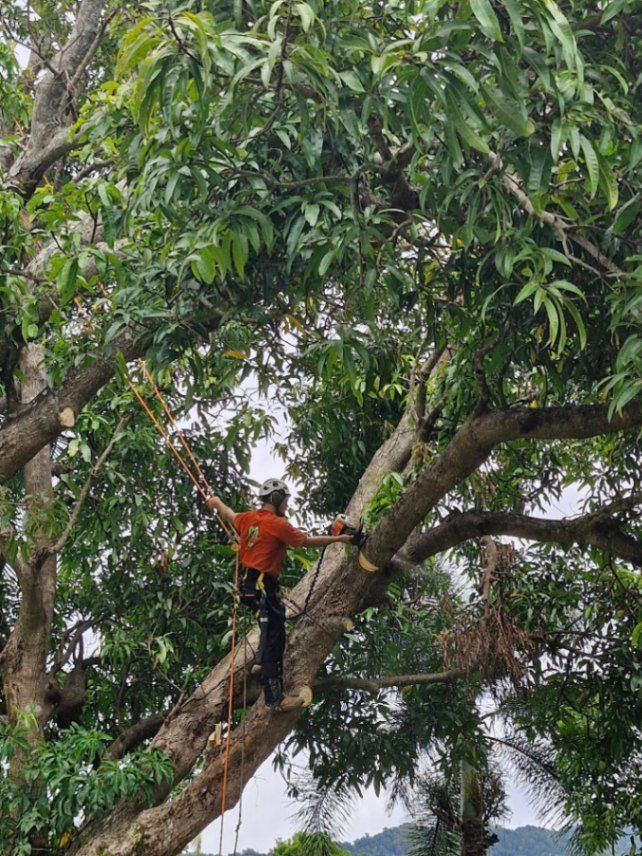
Arborists offer services such as hazardous limb removal and full tree removal when the branch damage is a symptom of wider structural failure. Knowing what to look for helps homeowners act before the issue becomes dangerous.
Common branch-related red flags include:
- Branches hanging loosely or caught in the canopy
- Clusters of dead wood throughout the tree
- Fresh splits or exposed timber
- Sawdust or debris indicating pest activity
Internal Decay and Trunk Cavities: What You Can’t See Can Still Bring a Tree Down
One of the most serious yet under-recognised dangers is internal decay. Fungal growth, hollow pockets and internal rot weaken the trunk from the inside, often without showing clear signs outside. A tree may appear solid, but if enough of its structure has deteriorated, it can fail suddenly and with significant force.
Arborists examine the trunk for subtle cues such as soft wood, unusual swelling, fungal fruiting bodies and insect entrance points. Even small cavities can lead to major structural weakness if they occur in the load-bearing portion of the tree. Once these issues take hold, removal is often the safest and most effective solution to prevent collapse.
When a Leaning Tree Signals Imminent Failure and Immediate Professional Action
A tree that begins to lean is one of the clearest indicators that something is seriously wrong. Leaning can occur due to wind pressure, shifting soil, root damage or trunk instability. While some trees naturally grow at an angle, a sudden or worsening lean almost always signals structural failure near the base.
A qualified arborist determines whether the lean is historic or new, evaluates the direction of potential fall and identifies supporting structures that may be under strain. This assessment guides whether corrective action is possible or removal is required to keep the area safe.
Signs a leaning tree may require urgent removal:
- Soil mounding or cracking around one side of the trunk
- A noticeable increase in the angle over a short period
- The lean pointing toward structures or walkways
- A twist or split forming near the base
How Damaged Trees Interfere with Powerlines, Roofs and Access Areas
Damaged trees pose significant risks when they grow near essential structures. Weak branches may fall across driveways, blocking access or damaging vehicles. A compromised trunk could collapse towards a roof, leading to structural damage. Overhead hazards involving powerlines are particularly dangerous, as falling limbs can cause outages, fire risks or electrical hazards.
Tree removalists manage these complex situations by safely clearing vegetation around structures and removing trees that pose a direct threat. Working in restricted or confined areas requires precise planning and professional equipment, ensuring the tree is removed without causing further damage.
Pest-Infested or Diseased Trees: Why Delay Leads to Wider Property Impact
Pests and diseases weaken trees long before symptoms become visible to the untrained eye. Termites, wood-boring insects, fungi and other pathogens can compromise stability and spread to nearby vegetation. Leaving an infected tree standing increases the risk of widespread infestation, which may eventually require multiple removals.
Tree removal can prevent pests or disease from spreading further and protect surrounding plants and structures. Early detection makes a significant difference, especially in properties with multiple mature trees.
Notable signs of pests or disease include:
- Sawdust piles at the base of the trunk
- Discoloured or prematurely falling leaves
- Fungal growth on bark or exposed wood
- Holes, tunnels or visible insects in timber
Getting a Professional Assessment: What Happens During a Safety Inspection
When homeowners suspect a tree may be damaged or unstable, a professional assessment is the safest first step. Arborists examine the tree’s structure, canopy, root system and surrounding environment to determine its overall condition. This process may involve risk grading, identifying weak points and discussing whether pruning, stabilisation or removal is the most suitable option.
A safety inspection provides clarity, allowing property owners to understand the immediate risks and long-term implications of leaving the tree standing. When removal is recommended, it is done to prevent accidents and ensure the property remains safe and secure.
We at Tropical Tree Solutions understand how quickly a tree can become hazardous in Cairns’ tropical climate, especially after heavy rain, intense winds and sudden storms. If you have noticed leaning, cracking, pest activity or signs of storm damage, it’s important to have the tree assessed before the next weather event arrives. Our team provides professional advice and safe tree removal in Cairns to help protect your home and outdoor spaces. Visit https://www.tropicaltreesolutions.com/ to get in touch and book a professional inspection or arrange tree removal carried out by a reliable local team.